
First Atlas detects hydrogen at Matane, but subsurface traps remain untested
A reconnaissance survey targeted a fault zone the company had modelled as favourable, while the structures below ground remain unresolved.
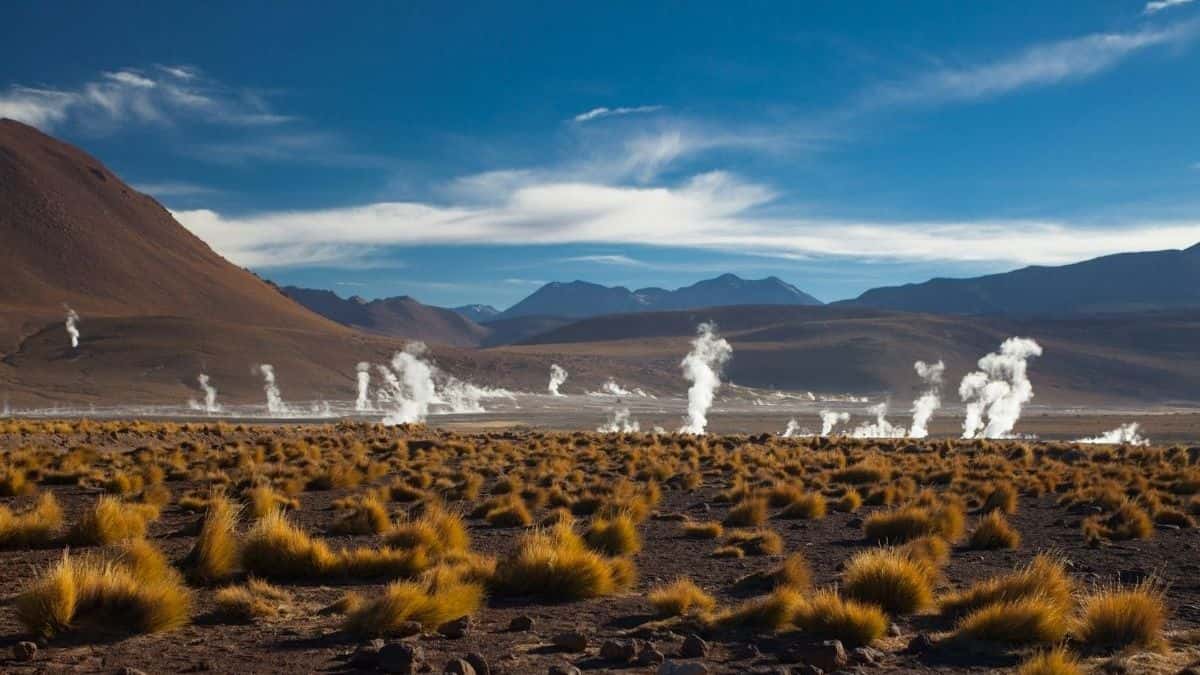
Why it matters: Soil-gas detections point to a possible natural hydrogen system at Matane, but identifying subsurface reservoirs and seals will be key to testing that potential.
55–1,175 ppmV — hydrogen concentrations recorded in soil-gas samples
463 ppmV — median concentration across the survey
30 samples at six locations — reconnaissance coverage of selected sites
90 new claims — staked on November 13, 2026, with 38 approved so far
First Atlas reported hydrogen in soil-gas samples from its Matane project in Quebec, describing the results as the first evidence of natural hydrogen potential on the Gaspé Peninsula. The reconnaissance program measured concentrations from 55 to 1,175 parts per million by volume (ppmV), with a median of 463 ppmV.
The survey collected 30 samples at six locations selected for their potential. The results support, in the company’s view, a predictive model that identified the Shickshock-South fault zone as favourable for natural hydrogen. They describe the sampled locations, however, and do not establish hydrogen concentrations across the property.
Sampling tests the Shickshock-South fault model
First Atlas’s geological hypothesis focuses on the Shickshock-South fault zone and Silurian-Devonian sedimentary units. The company considers these units prospective because they may include both gas reservoirs and shale horizons capable of acting as seals—components that could be relevant to a natural hydrogen system.
The reported measurements are from soil gas. They do not characterize the size, continuity or geometry of any potential reservoir, nor confirm that a subsurface trap exists. First Atlas said it is seeking to define the underground structures associated with the project; those structures have not yet been mapped.
Geophysical work is planned for 2027
First Atlas is working with the Institut national de la recherche scientifique (INRS), which is designing gravity and audio-magnetotelluric surveys for Matane. The company expects to combine those geophysical images with the soil-gas data to delineate the geometry of possible faults and structural traps. The survey schedule has not been set, although the work is expected to take place in early 2027.
Following the sampling results, the company said it received a recommendation to expand its claims to cover more of the sedimentary units. It staked 90 new claims on November 13, 2026; 38 had been approved at the time of the update. If all are approved, the property would more than double in size.
In June 2026, First Atlas closed a C$2.12 million private placement for working capital and natural hydrogen exploration in Nova Scotia. The company has not said that those funds are dedicated to Matane. At the project, the next step is to complete the planned geophysical work and assess whether the subsurface features align with the soil-gas indications.
More in Discoveries
New Found Gold's Queensway drilling nears completion after high-grade gold hits
The campaign is close to its metre target, but work remains across open-pit, resource-conversion and regional targets.
K2 Gold reports higher-grade Newmont gold 2 km from Dragonfly, with 22 assays pending
The target lies on a 6.5 km Eastside trend, but broad stretches between known prospects remain lightly drilled.
Honey Badger’s Sunrise Lake assays face a test against a fire-damaged record
A 2014 wildfire destroyed stored core, leaving the company to compare new drilling with a legacy database it cannot fully resample.